The used EV goldmine: how to buy one without getting burned
Federal credits expired. Lease returns are flooding the market. Used EV prices have dropped 20-30% from peak. The deal is real — if you know what to check.

Three things happened in the used electric vehicle market in the last twelve months. First, federal tax credits — the $7,500 for new EVs and the $4,000 for used EVs — expired on September 30, 2025. Second, the wave of EV leases signed between 2023 and early 2025 began maturing. And third, used EV prices, already softening, dropped another 20 to 30 percent from their post-pandemic peak.
The combination is unusual. Disappearing incentives normally tighten markets. Lease return surges normally depress prices. Both happening at once produced what Recurrent Auto's CEO Scott Case has called "the year of the used EV." By early 2026, 44 percent of used EV transactions are landing below $25,000, and roughly 56 percent of used EV inventory is priced under $30,000. Many of those vehicles are 2023 or newer.
This is what depreciation looks like when nobody is bidding the floor up. For a frugal buyer, that floor is the point. The new-car market is now genuinely hostile to value shoppers — incentives are gone, sticker prices haven't dropped to compensate, and the OBBBA loan interest deduction that replaced the old credit applies only to new vehicles assembled in the United States. Most used EV buyers get nothing from any of it. They don't need to. The savings are already baked into what someone else paid.
The problem is that buying a used EV well is harder than buying a used Camry well. Battery condition matters in a way an internal combustion drivetrain never did. Warranty transfer rules vary by manufacturer. Charging behavior of the previous owner can affect what you're inheriting. And the lease-return flood means you're competing with savvier-than-average buyers for the better cars.
This guide walks through what actually matters: what to check, what to ignore, what to budget for, and how to think about a market where the rules just changed. Nothing here is theoretical — every recommendation is something I'd do or have done myself.
The depreciation curve has never been steeper
A new EV that sold for $50,000 in 2022 is often listed under $25,000 today. That's roughly 50 percent depreciation over three years — about double what a comparable gas car would have lost in the same window. Some long-range and luxury EVs have lost even more.
This is bad news if you bought new. It is excellent news if you're buying used.
The depreciation has three drivers. First, the federal tax credits — both the $7,500 for new and the $4,000 for used — were heavily front-loaded into the EV market between 2023 and 2025. When those credits expired, demand for used EVs softened, and prices adjusted. Second, an enormous wave of EVs leased between 2023 and 2025 (more than 1.1 million, largely because of the IRA leasing loophole) is returning to dealer lots in 2026 — lease returns are projected to surge roughly 230 percent over 2025 levels. Third, battery technology has continued to improve, and 2024-2025 model EVs make many 2021-2022 vehicles look comparatively dated. Older inventory has had to compete with newer used inventory, and the result has been price compression.
from 2022 peak
lease returns vs. 2025
now under $25,000
For a frugal buyer, this is the structural opportunity. Markets that have been beaten down rarely stay beaten down forever. Once the lease return wave stabilizes — probably late 2026 or 2027 — used EV prices are likely to find a more durable floor. Right now, in early 2026, you're shopping at the bottom of a curve that may not return.
The catch, and the rest of this article, is about what can go wrong.
Battery health is the only thing that really matters
An EV is a battery wrapped in a car. When the battery is healthy, the car works. When the battery is degraded, the car limps. When the battery dies and is out of warranty, the car may be worth less than the cost to fix it. There is no equivalent vulnerability in a used Toyota.
The good news is that modern EV batteries are far more durable than early skeptics expected. Recurrent Auto's data, drawn from millions of real-world miles, shows the overall battery replacement rate across their community is around 2.5 percent. Most of that 2.5 percent comes from the very first generation of EVs — pre-2014 Nissan Leafs and similar — where battery management systems were primitive. Modern EVs (2019 and later) trend closer to 1.5 percent replacement rates over their first eight years. Most batteries that have been driven 100,000 miles still retain 85 to 90 percent of their original capacity.
The bad news is that you can't tell a healthy used battery from a degraded one by looking at it. The car drives the same. The dashboard range estimate is unreliable — it reflects recent driving conditions, not actual capacity. Most automakers don't make the raw battery data easy for owners or buyers to see. This is the central problem of buying used.
How to actually check
Three approaches, ranging from free to thorough:
Run a Recurrent Battery Report. Recurrent is the de facto standard for used EV battery analytics in the U.S. market. Their reports are free for consumers — they make money from dealer subscriptions and partnerships, not from selling reports to buyers. You can either visit recurrentauto.com directly or look for the Recurrent badge on listings at Edmunds and partner sites. The report shows estimated current range, projected future range, remaining battery warranty, and how the specific car compares to thousands of similar vehicles in the Recurrent community. It's not a lab test — it's a model-based forecast — but it's the best signal available short of pulling the battery apart.
Use an OBD-II reader and a model-specific app. An OBD-II reader is a small device that plugs into the diagnostic port under the dashboard (the same port mechanics use for emissions checks). For Nissan Leafs, an app called LeafSpy Pro reads battery cell voltages directly, giving you a precise state-of-health number. For Teslas, Scan My Tesla does similar. A used OBD-II reader runs about $30 to $50, and the apps are usually $10 to $30. This is the level of effort I'd recommend for any private-party purchase.
Pay for a pre-purchase inspection. $150 to $300 buys you an EV-experienced mechanic spending an hour with the car. Worth it if you're spending more than $20,000, can't or don't want to do diagnostics yourself, or are buying private party from a stranger. Independent EV specialists exist in most metro areas; ask the seller to bring the car to one, or bring it yourself before closing.
What numbers to look for
Federal law requires manufacturers to warranty EV batteries for at least eight years or 100,000 miles, with capacity above 70 percent during that window. Most automakers exceed this. Practically, here's what to expect:
- 0 to 3 years old: Battery should retain 92 to 98 percent of original capacity. Anything below 90 percent is a yellow flag.
- 3 to 5 years old: 88 to 94 percent retention is normal. Below 85 percent suggests heavy fast-charging history or thermal stress.
- 5 to 8 years old: 82 to 90 percent is typical. The remaining warranty becomes more valuable than the absolute number — a battery at 85 percent with three years of warranty left is worth more than a battery at 88 percent with one year left.
- 8 years or older, out of warranty: This is where due diligence really pays. Anything above 80 percent on a battery this old is good news. Below 75 percent, walk away unless the price reflects the risk.
Below 70 percent capacity on a battery that's out of warranty is a hard pass. The car may run, but its useful range is compromised, fast-charging gets slower, resale value collapses, and you're one bad winter away from a $15,000-plus repair bill.
Warranty transfer matters more than you think
Federal law sets a floor, not a ceiling. Every manufacturer must warranty the battery for at least eight years or 100,000 miles, and that warranty must transfer to subsequent owners. But the specifics vary, and the variance is meaningful.
| Brand | Battery warranty | Transfers cleanly? |
|---|---|---|
| Hyundai / Kia | 10 years / 100,000 miles | Yes — best in class |
| Tesla | 8 years / 100,000–150,000 miles depending on model | Yes |
| Ford | 8 years / 100,000 miles | Yes |
| Chevrolet (Bolt) | 8 years / 100,000 miles | Yes — plus 2017–2021 Bolts received free battery replacements under recall |
| Rivian | 8 years / 175,000 miles | Yes — strongest mileage cap |
| Nissan | 8 years / 100,000 miles | Yes — but pre-2018 Leafs lack thermal management; degrade faster |
The practical implication is something most buyers miss: a 3-year-old EV often comes with five years of remaining battery warranty. For a 5-year-old EV, you might still have three years and 50,000 miles of coverage. That's not a footnote — it's the single most valuable thing you're inheriting. A new battery replacement, if needed, can run $12,000 to $22,000. A transferred warranty is worth roughly that much in risk reduction alone.
The Hyundai-Kia 10-year warranty is genuinely best in class. If you're choosing between a 4-year-old Kia EV6 and a 4-year-old Tesla Model Y at similar prices, the Kia comes with six years of remaining battery warranty versus four for the Tesla. That difference can justify a meaningful price premium, all else equal.
The Chevrolet Bolt deserves a special note. The 2017-2021 Bolt was subject to a major battery recall — manufacturing defects in the LG cells caused some to catch fire. GM replaced the batteries in affected vehicles for free, and many of those replacements happened in 2021-2023. A 2018 Bolt you buy today may have a battery that's effectively three years old, with full original warranty starting from the replacement date. Always ask. The replacement paperwork will show the date.
For Nissan Leafs, the warranty is fine on paper, but the lack of thermal management on pre-2018 models is a real engineering shortcoming. Their batteries degrade faster, especially in hot climates. The 2018-and-later Leaf with the 40 kWh or 62 kWh battery is much better, though still air-cooled. Approach older Leafs with eyes open.
What federal help still exists
This section is going to be short and unsentimental, because the news is mostly bad.
The $7,500 new EV tax credit (Section 30D) expired on September 30, 2025. No new credits are being issued for vehicles acquired after that date. If you bought a qualifying new EV before October 1, 2025, you can still claim the credit on your 2025 or 2026 tax return.
The $4,000 used EV tax credit (Section 25E) also expired on September 30, 2025. Same retroactive rules apply for pre-cutoff purchases. No new $4,000 credits are being issued for used EV purchases in 2026 or beyond.
The OBBBA replaced these credits with a new annual deduction — up to $10,000 per year of car loan interest, deductible above-the-line through 2028. But the deduction has hard restrictions: new vehicles only, U.S.-assembled only, no leases. Used buyers cannot use this deduction. A used EV bought from a dealer with a $20,000 loan generates zero federal tax benefit.
One incentive does still exist for used EV buyers, indirectly: the 30% home charger tax credit (Section 30C) is alive through June 30, 2026. If you install a Level 2 home charger, you can deduct up to 30 percent of equipment and installation costs, capped at $1,000. The catch is that you must live in an "eligible census tract" — non-urban or low-income, defined federally. Most rural and small-town addresses qualify; many suburbs and most cities do not. You can check your address against the federal eligibility map before installing.
State and utility rebates are still active in many places. Indiana doesn't have a state EV rebate, but utilities like AEP, Duke, and NIPSCO occasionally run rebate programs for home chargers ($250 to $500). Worth checking your specific utility — the offers come and go.
Federal incentives for used EV buyers are essentially gone. The good news is that the depreciation curve has already absorbed the credit's disappearance — a $25,000 used EV in early 2026 may have been a $32,000 used EV in early 2025 when buyers were factoring in the $4,000 credit. You're paying with cash what other people effectively paid with cash plus a tax refund. Net cost is similar.
The best used EVs at three price points
What follows are price ranges, not specific listings — actual prices on Carvana, CarMax, and CarGurus shift week to week. Use these as orientation. Always check current listings before negotiating.
Under $15,000
- 2017–2019 Chevrolet Bolt: $10,000–$15,000. Most have had their batteries replaced under recall. ~250-mile range. Surprisingly good for the money if the recall paperwork checks out.
- 2018–2020 Nissan Leaf (40 kWh): $9,000–$13,000. Real-world range 100–130 miles. No thermal management — avoid in extreme climates.
- 2011–2017 Nissan Leaf (24–30 kWh): $5,000–$10,000. Real-world range 50–80 miles. Strictly a city-only commuter at this point. Battery degradation has been significant on early models.
- 2018–2020 Volkswagen e-Golf: $10,000–$13,000. Limited US availability. ~125-mile range. Solid engineering, small market.
Under $20,000
- 2020–2022 Chevrolet Bolt: $14,000–$19,000. ~250-mile range. Genuinely good value. Most have replaced batteries under the recall.
- 2019–2020 Tesla Model 3 (RWD/Standard Range): $16,000–$22,000. Real range 220–250 miles. Supercharger access. Software/over-the-air updates keep older Teslas feeling current.
- 2019–2021 Hyundai Kona Electric: $15,000–$19,000. ~250-mile range. Underrated; Hyundai's 10-year battery warranty makes the residual warranty time generous.
- 2019–2021 Nissan Leaf Plus (62 kWh): $13,000–$18,000. ~215-mile range. The Leaf you actually want — avoids the thermal management issues of older models, reasonable range.
Under $25,000
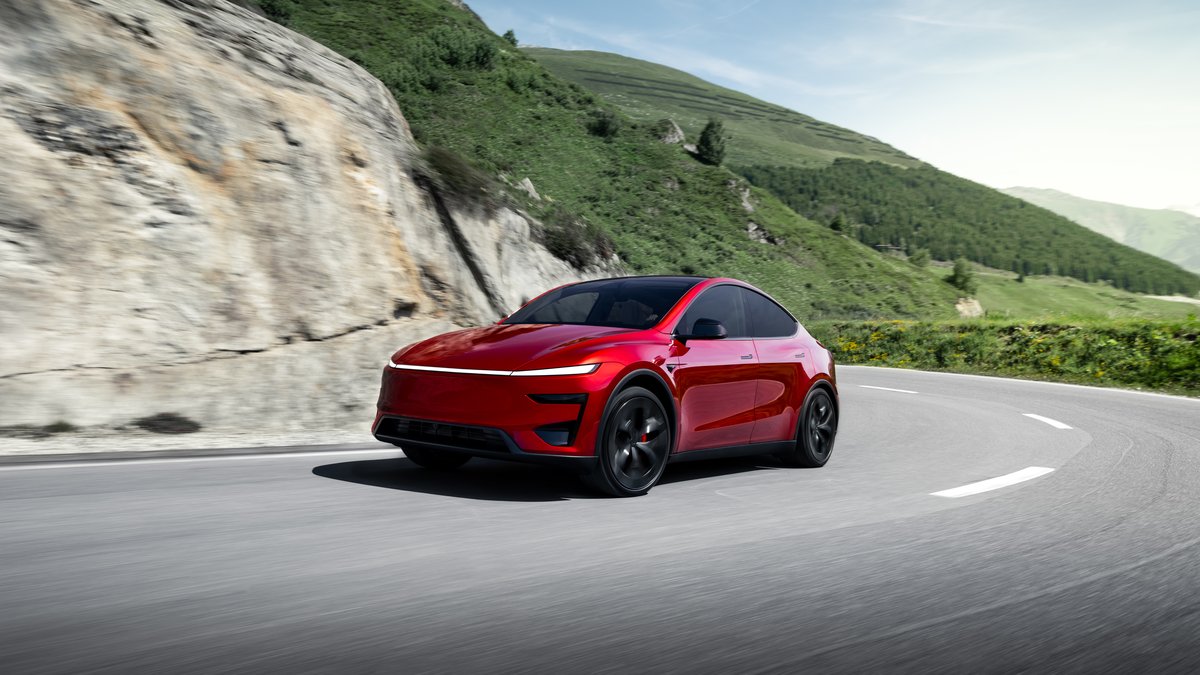
- 2021–2022 Tesla Model Y: $22,000–$28,000. Range 270–330 miles depending on trim. The volume EV in this segment.
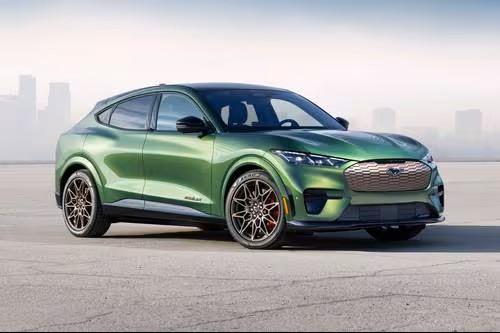
- 2022 Ford Mustang Mach-E (Select): $20,000–$25,000. ~230-mile range on base trim. Solid value, transferable warranty.
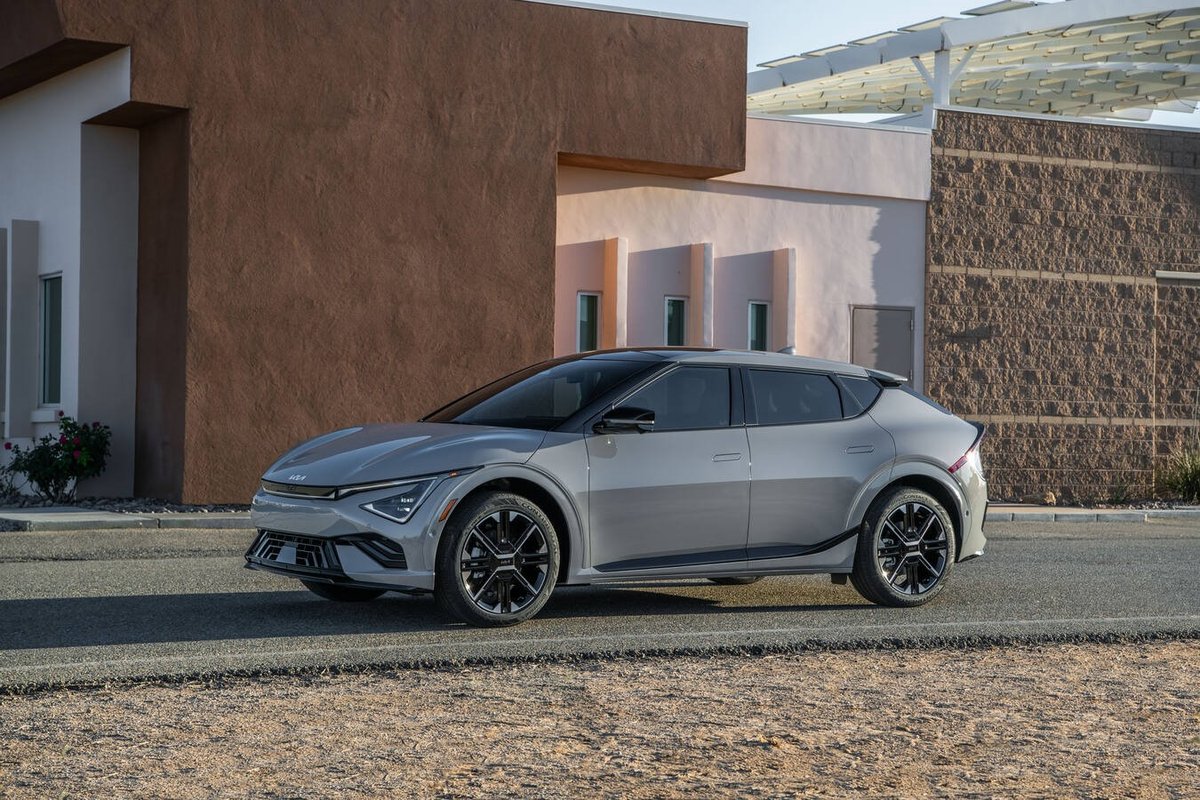
- 2022 Kia EV6: $22,000–$27,000. ~270-mile range. Strong reviews, distinctive design, 10-year battery warranty (huge for a 4-year-old car — six years left).
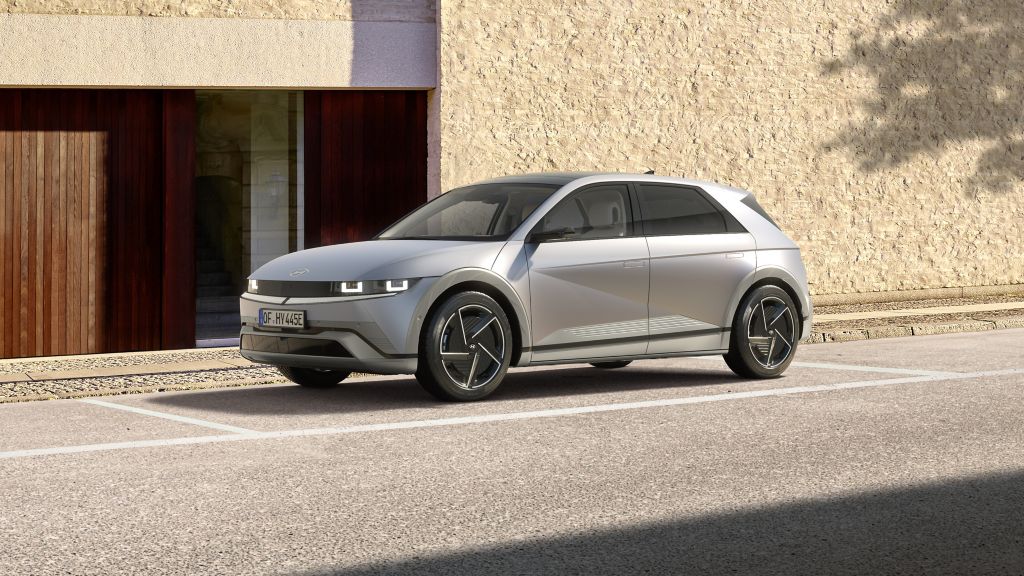
- 2022 Hyundai Ioniq 5: $22,000–$26,000. ~270-mile range. Same platform as the EV6, more spacious interior, same generous warranty.
One observation about the $25,000 cliff: a lot of inventory is priced just under because, for years, $25,000 was the price ceiling for the now-expired $4,000 used EV tax credit. Dealers stocked accordingly. With the credit gone, that ceiling no longer matters technically, but the pricing pattern persists. You can sometimes find better cars for $25,500 to $27,000 than for $24,500, simply because the under-$25k bucket got picked over by tax-credit shoppers in 2024-25.
Lease buyouts: the deal most buyers never hear about
The 2023-2025 EV leasing wave was driven by the IRA leasing loophole — a quirk in the federal tax credit rules that allowed leasing companies to claim the $7,500 new EV credit and pass the discount to lessees, even if the lessee's income or the vehicle's price made them ineligible to claim the credit themselves. Roughly 1.1 million EVs were leased during this window. They are now coming off lease, by the hundreds of thousands.
The captive lenders behind these leases — GM Financial, Ford Credit, Hyundai Capital, Stellantis Financial, and the rest — set the residual values when the contracts started. Residual values are the price the lessee can buy the car for at the end of the lease. Three years ago, when those residuals were set, the assumption was that 3-year-old EVs would hold their value reasonably well.
That assumption was wrong. Used EV prices have fallen 20-30 percent since the residuals were locked in. Which means the residual price for buying out a lease is often higher than what the same car sells for on Carvana or CarMax today.
For the original lessee, this is bad news — buying out their lease costs more than just buying an equivalent used car. So they don't. They turn the car back in, and it goes to auction or to dealer used lots.
For a non-lessee buyer, this creates an opportunity: some captive lenders will sell a lease-return car directly to a third party at a price negotiated against the residual. Not all of them, and not always, but it's worth a phone call. The savings can be substantial — sometimes thousands below dealer used pricing — because you're cutting out the dealer markup.
How to find a deal
- Identify the captive lender. GM Financial, Ford Credit, Hyundai Capital America, Toyota Financial Services, etc. Each major brand has one.
- Call directly and ask about lease return inventory available for direct purchase. Some lenders publish inventory online; others require a phone inquiry.
- Compare to current market. The residual price they quote should be benchmarked against Carvana, CarMax, and CarGurus listings for the exact same year, model, and trim. Negotiate from that gap.
- Ask about title status. Most lease returns are clean titles. Confirm this in writing before you commit.
- Inspect like a regular used purchase. The lender hasn't hidden anything, but they also haven't reconditioned the car the way a dealer would. Run the Recurrent report. Check the battery. Take it to a mechanic.
This won't always work. Sometimes the residual is set at or above market, sometimes the lender refuses to deal direct, sometimes the inventory just isn't compelling. But when it works, it's the cheapest legitimate way to buy a recent-model EV.
Where to actually buy
Five channels, ordered roughly from easiest-most-expensive to hardest-cheapest. Each has a place; the right answer depends on your tolerance for legwork and risk.
1. Carvana, CarMax, Vroom — the consumer e-commerce option
Easy, transparent pricing, return windows (Carvana 7 days, CarMax 30 days). Photos and listings are reasonably honest, and the 7-to-30-day return window is a meaningful cushion against major problems. Pricing typically runs $1,000 to $3,000 above what you'd pay a private seller. For first-time used-EV buyers, the return window is worth the premium.
2. EV-specific platforms — Recharged, EV Universe
Niche operators that specialize in used EVs. They tend to vet their inventory more carefully — most listings include a Recurrent battery report by default, and the staff actually understands EVs. Prices land somewhere between Carvana and private party. Inventory is smaller. If you're shopping for a specific model, worth checking; if you want broad selection, less so.
3. Dealer used lots
The middle ground. Most franchise dealers carry some used EVs, often trade-ins from new EV sales. Pricing varies widely by dealer and how desperate they are to move inventory. Negotiate harder than you would on a gas car — most dealers don't fully understand what a fair used-EV price is in 2026, which can cut both ways. Bring printouts of comparable listings.
4. Tesla used inventory (direct from Tesla)
Tesla sells used inventory through their website. Quality is variable — Tesla doesn't recondition cars the way a franchise dealer might — but pricing is sometimes below the Carvana benchmark for the same vehicle. The buying process is largely online with limited inspection opportunity, which is a meaningful disadvantage. Best for buyers who already know exactly what they want.
5. Private party — Facebook Marketplace, Craigslist, AutoTrader
Cheapest pricing, no return windows, no warranty cushion beyond what transfers from the manufacturer, requires the most homework. For a confident buyer who'll do a thorough inspection, run the Recurrent report, and walk away from anything questionable, private party is where the real deals are. For everyone else, the dealer premium is worth paying.
Salvage and auction purchases (through partners like AutoBidMaster) are a sixth channel that I'm not going to cover here. They can yield extraordinary deals on cosmetically damaged but mechanically sound EVs, but the diligence required is far beyond the scope of an introductory guide. Not for first-time used-EV buyers.
Battery replacement horror stories: how worried should you be?
The internet has loud examples of catastrophic EV battery costs. A BMW i3 owner gets a $33,000 quote. A Tesla owner faces $22,000. A Nissan Leaf owner is told $15,000 to replace a pack on a car worth $8,000. These stories are real, and they're terrifying, and they get amplified far beyond their statistical importance.
Here is the honest data, drawn from Recurrent's community of hundreds of thousands of connected EVs:
- Overall battery replacement rate: approximately 2.5 percent across all EVs in the dataset.
- Modern EVs (2019 and later): closer to 1.5 percent through eight years of ownership.
- Highest-replacement segment: first-generation EVs (pre-2014). Now 12+ years old, still showing some replacements but rarely on cars that are still worth fixing.
For context: gas-engine catastrophic failures (rebuilt engine or replacement) happen at roughly similar rates over similar timeframes. The difference is that an engine swap costs $4,000 to $8,000, while a battery swap costs $12,000 to $22,000. The frequency is comparable; the magnitude is greater.
Three things mitigate the risk substantially:
- Federal warranty. Eight years and 100,000 miles minimum, transferable. If the battery fails before then and capacity is below 70 percent, the manufacturer replaces it. For an EV under 8 years old, this is essentially complete protection.
- Battery prices are falling fast. Battery cell prices dropped from over $400/kWh in 2012 to about $111/kWh by end of 2024, and Goldman Sachs projects $80/kWh by 2026. By the time most modern used EVs would need replacement (12+ years out), replacement costs may be 60-70 percent lower than today's quotes.
- Third-party replacement is emerging. Independent shops are starting to replace EV battery packs at significantly lower cost than dealer quotes. A BMW i3 dealer quote might be $33,000; a third-party shop might do it for $6,500 with refurbished cells. This market is maturing.
Out-of-warranty Nissan Leafs from 2011-2017 are the legitimate concern. They lack thermal management, batteries degrade faster, replacement cost ($5,000-$9,000) often exceeds the car's value, and they're outside the 8-year window. If you're buying one, treat it as disposable — don't pay more than the worst-case scenario where the battery dies tomorrow.
Everything else, modern EV with a transferable warranty, the math is on your side. Replacement is rare, and when it happens, it's covered.
When a used EV doesn't make sense
Most of this article has argued for buying a used EV. Honest writing requires the counter-argument too. Here are five situations where I'd talk you out of it.
You can't charge at home
This is the single biggest constraint. EV ownership math depends on cheap home charging — typically $0.13 to $0.16 per kWh. Public charging runs $0.40 to $0.60 per kWh, which can make EV operating costs match or exceed gas costs. If you live in an apartment without a charger, in a condo association that won't approve installation, or in a parking situation where you can't run a cable, the frugal case largely evaporates. EV ownership without home charging is doable — it's just not significantly cheaper than driving an efficient gas car.
You drive 25,000 or more miles a year
Battery wear scales with miles. A 5-year-old EV with 35,000 miles is likely fine. A 5-year-old EV with 110,000 miles deserves a serious battery health check, and even then, your future ownership window is shorter than it would be with a less-driven example. High-mileage drivers are better served buying newer, lower-mileage EVs (or, frankly, leasing rather than buying used).
You live in extreme cold and need a pre-2022 EV
Most EVs built before 2022 use resistive heating for the cabin, which can drop range 30 to 40 percent in below-zero temperatures. Heat pumps, standard on most 2022-and-later EVs, cut that loss roughly in half. Fort Wayne winters are manageable on resistive heat. North Dakota winters are not. If you need a used EV and you live somewhere with regular -10°F or colder days, prioritize 2022 or newer models specifically because of the heat pump.
You need to tow or haul regularly
Most used EVs other than the F-150 Lightning, R1S, and R1T are not great tow vehicles. Towing a trailer can cut effective range in half, the weight stresses suspension and brakes (which are typically optimized for the EV's normal use), and most warranties don't cover damage from heavy towing in vehicles not rated for it. If towing is a significant part of your driving, look at gas trucks or specifically EV trucks.
You don't want to do basic homework
Used EVs reward homework — running the Recurrent report, checking warranty status, comparing to similar listings, maybe getting a pre-purchase inspection. Buyers who'd prefer to walk into a dealer, sign papers, and drive home are better served by certified-pre-owned dealer inventory with extended warranties (Hyundai's CPO program is particularly good for this), or by leasing a new EV instead. The savings of a private-party used purchase aren't worth it if you're going to skip the inspection.
The bottom line
The frugal case for a used EV in 2026 doesn't depend on tax credits, dealer incentives, or any kind of policy support. It depends on three structural realities: depreciation has been steeper than the underlying technology justifies, lease returns are flooding supply, and the battery technology in modern EVs has aged better than the market has priced.
The required work is real but bounded. Run a Recurrent report. Check the battery state of health. Verify warranty transfer. Make sure you can charge at home. Walk away from anything that doesn't pencil. Compare what's actually for sale, not what's being marketed.
The deal is real. The work is the deal.
Prices and availability cited as of April 2026 · Indiana market · Reader is encouraged to verify current pricing on Carvana, CarMax, CarGurus, or local dealer inventory before purchase